Modernisation
Machine-Room-Less Lift (MRL) upgrade options: what Owners need to know
The upgrade options for ageing machine-room-less lifts (full replacement, manufacturer upgrade kits and non-proprietary packages) and how to choose between them.
The upgrade options for ageing machine-room-less lifts (full replacement, manufacturer upgrade kits and non-proprietary packages) and how to choose between them.
How long do Machine-Room-Less Lifts last? Many MRL Lifts installed in the late 1990s and 2000s are now due for controller and drive upgrades. The average lifecycle for an MRL is between 15 and 20 years, with electronic obsolescence becoming the major issue for modernisation.
Want an independent view of your own lifts?
Talk to a consultantMachine-Room-Less (MRL) Lifts have been installed in large numbers in Australian buildings since the mid-1990s, and many of the first generation are now due for modernisation.
Until recently, the only choice was an expensive one: replace the Lift, or nearly all of it, with the original manufacturer's latest product. Owners now also have manufacturer upgrade kits and a growing range of non-proprietary options, and the right choice can save a great deal over the life of the Lift.
This guide explains how MRL Lifts differ, the options for upgrading them, and how to choose.
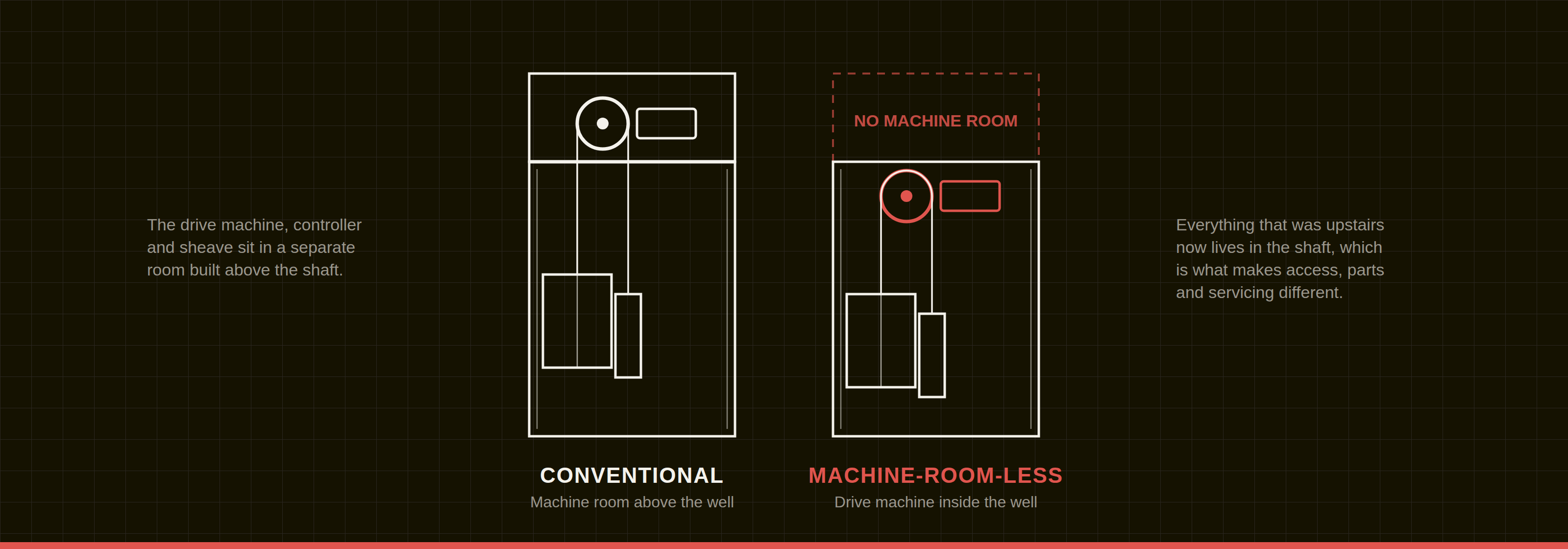
A traditional traction Lift has a Machine Room above the liftwell, holding the hoisting machine, controller and drive. An MRL Lift has no separate Machine Room. The machine is mounted at the top of the liftwell, and the controller is usually built into the frame of the top-floor landing door.
are speeds which some MRL models now reach, travelling more than 30 floors
MRL Lifts became popular because they:
They were first used mainly in low-rise residential buildings. Today some models travel more than 30 floors at 3.5 to 4.0 metres per second. MRL units are also a common choice when replacing old hydraulic Lifts, where the pit, overrun and liftwell dimensions allow.
MRL Lifts have drawbacks that matter when planning an upgrade:
up the liftwell to replace an MRL machine's bearings on a current LML project
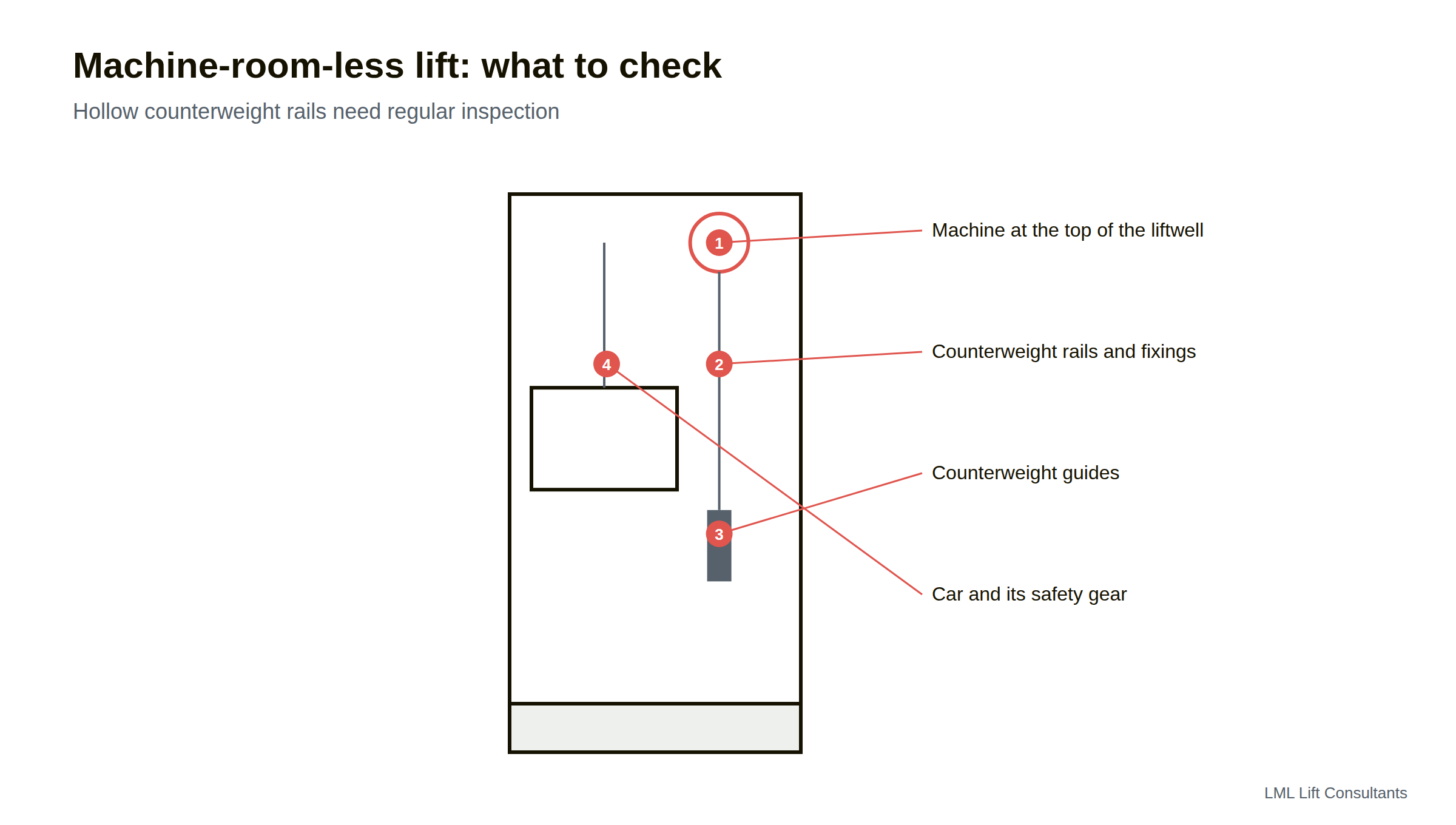
Some MRL Lifts use hollow, lightweight rails for the counterweight. LML issued a safety bulletin to its clients after an incident in which the counterweight came out of its rails. It struck the top of the Lift car, crushed the car roof and dislodged counterweight filler weights. On that side the car was forced out of its own rails, which disengaged the safety gear.
If your MRL lifts use hollow counterweight rails, ask your contractor to confirm the rails, fixings and counterweight guides are included in the service regime, and include them in your next independent audit.
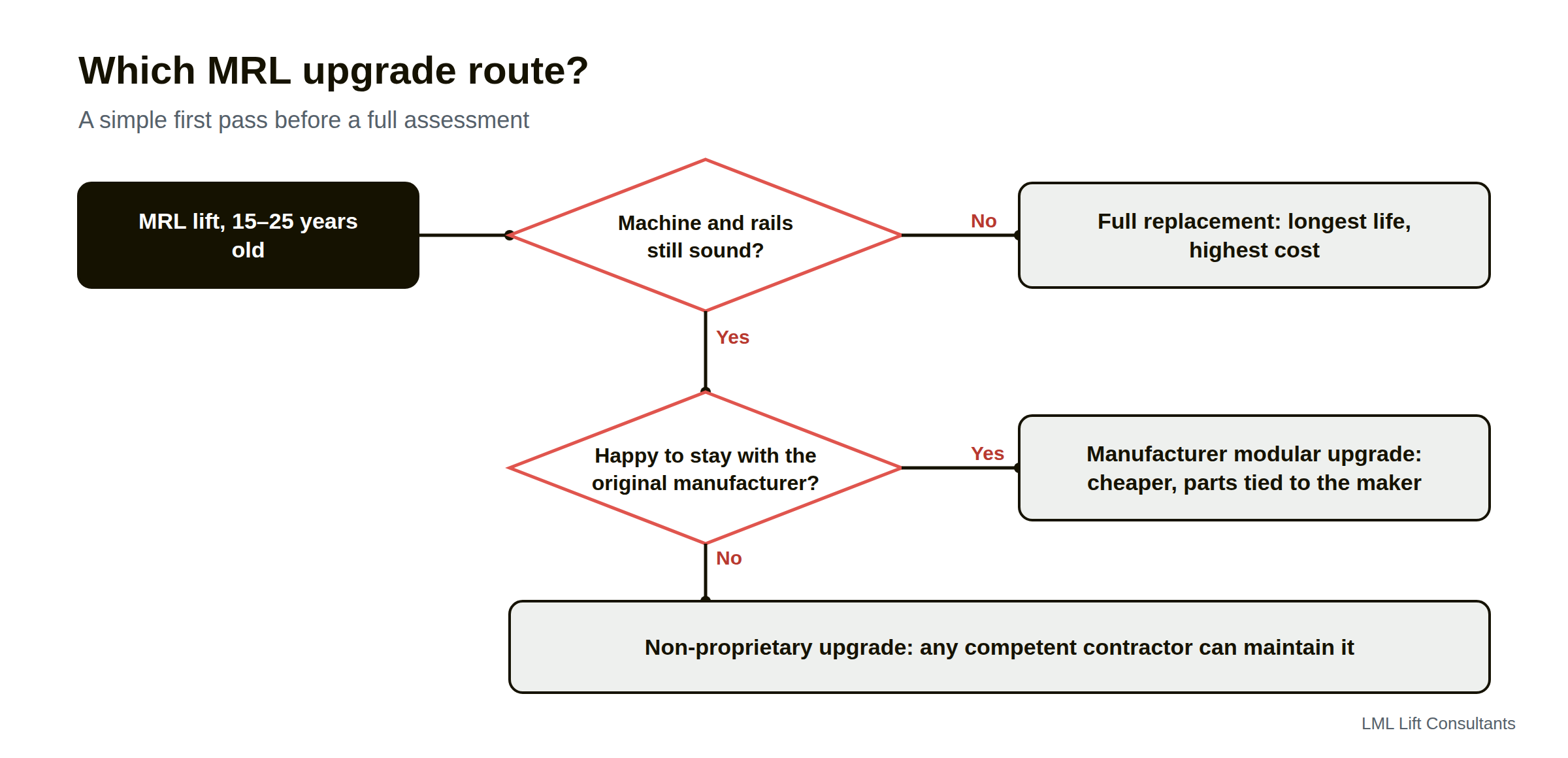
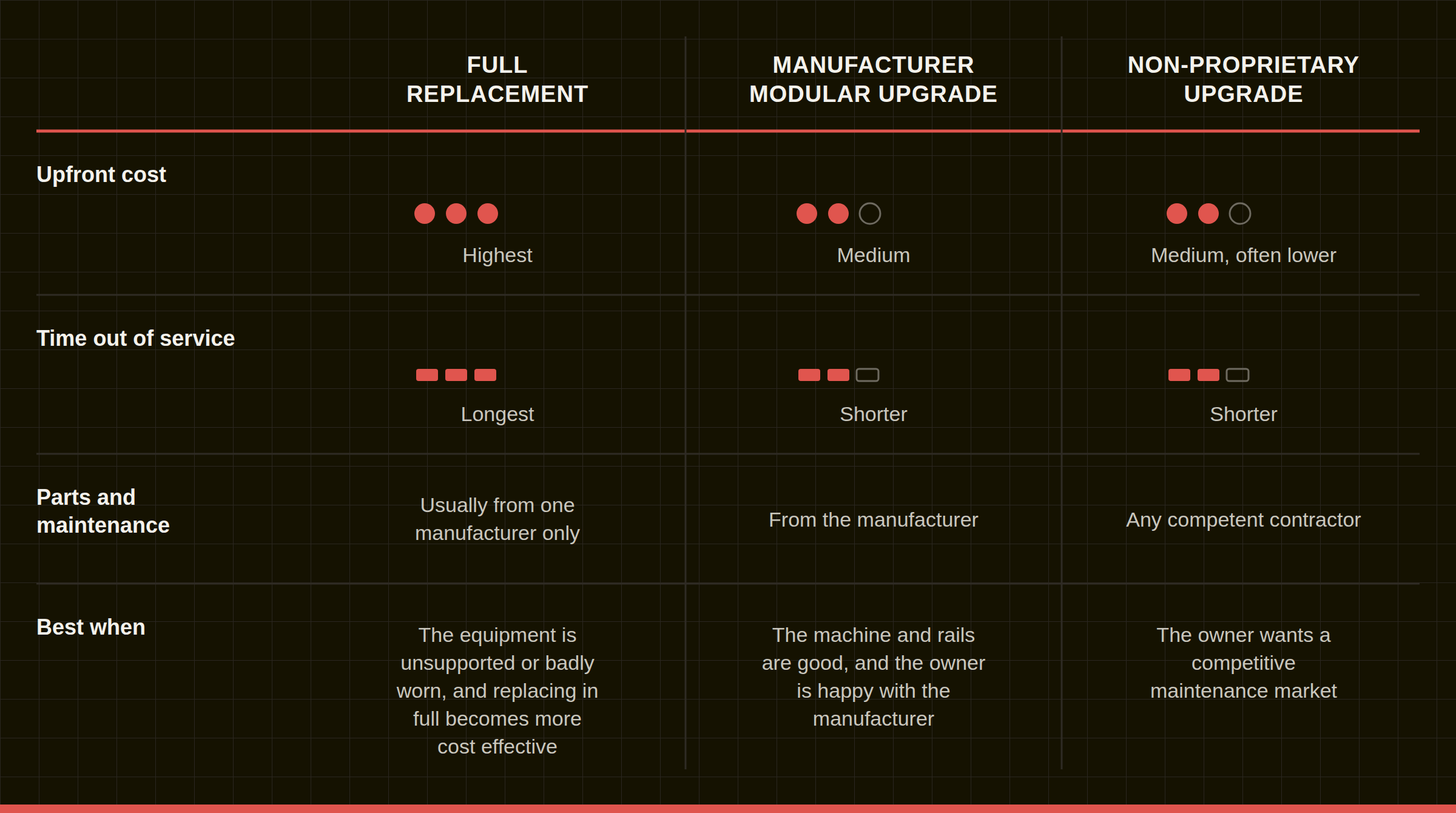
The Lift is replaced with a new MRL unit, often from the same manufacturer. It gives the longest life and the newest technology, but costs the most and takes the Lift out of service the longest. It is sometimes necessary when the original product is no longer supported at all.
KONE, Otis and Schindler now offer modular upgrades for their own MRL products (MonoSpace, Gen2, and the 3300 and SMART ranges). You replace the controller and drive first, then choose whether to include the machine, doors, fixtures and car interior, depending on need and budget.
This is far cheaper than full replacement, but the equipment is proprietary: parts must come from the original manufacturer, and in practice so may the maintenance.
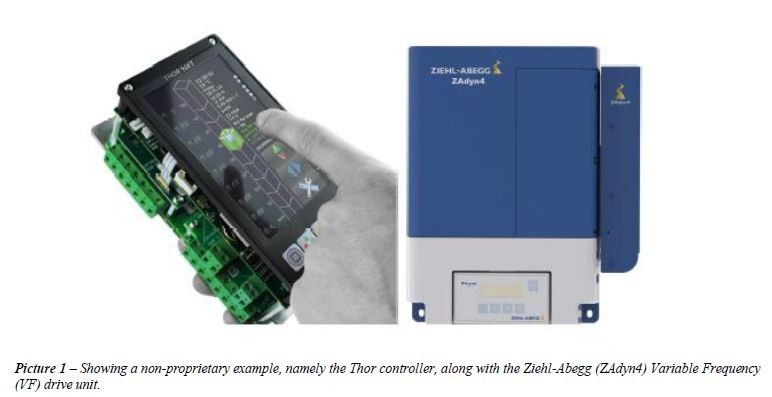
A growing range of good-quality, non-proprietary upgrade packages is designed to work across several brands of MRL lift. Wittur, for example, supplies modernisation kits for the Otis Gen2 and for the Schindler 3300 and SMART ranges. Its Gen2 kit is a belt-traction package: a gearless machine, a 30mm traction flat-belt, belt terminal ends and a compatible load-weighing and belt-monitoring device, and Wittur states it works with different controllers. At Interlift 2025 we found more suppliers offering packages of this kind, among them Hydroware, with packages covering KONE, Otis, Schindler and TK Elevator products.
With non-proprietary equipment, any competent Lift contractor can maintain it and source its parts. That keeps your maintenance contract competitive and your long-term costs lower. LML has already updated its technical specifications to allow for these options.
Many MRL Lifts installed in the late 1990s and 2000s have already been replaced or modernised and may again be due for controller and drive upgrades. MRLs typically last 15 to 20 years from installation.
Often, yes. Several suppliers now make packages designed for these products. Suitability depends on the specific model and its condition.
It can be, because the machine sits in the liftwell itself, not in a separate Machine Room. Modern machines are quieter, and noise can be reduced with the right mounting and machine insulation. Poor machine installation and adjustments can amplify the issues. Another important reason to have an independent technical specification provided for Tender.
LML Lift Consultants assesses MRL Lifts, compares every upgrade route and prepares technical specifications that capture the exact scope for Tender. We work on every major brand of Lift and alongside every Lift company in the market, but we sell no equipment and take no commissions.
Talk to us about your MRL lifts or call 1300 001 565.
We sell no equipment and take no commissions. Tell us about your building and a consultant will come back to you.