Specifying Lifts for a new building: why an independent specification is important
How an independent Lift specification works on a new building: every contractor prices the same scope, and the finished Lifts can be serviced by more than one company.
LML Lift Consultants
5
min read
October 15, 2026
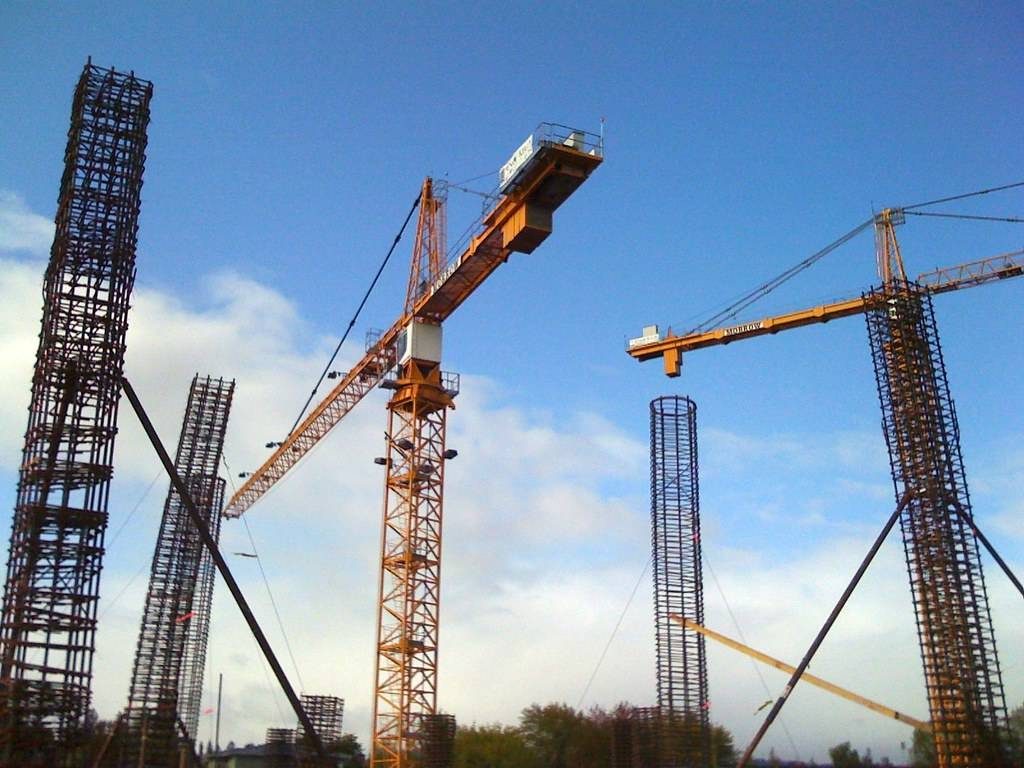
Photo: "Construction time" by andrechinn, CC BY 2.0
The short answer
What goes into a Lift specification for a new building? It sets the number, size, speed and performance of the Lifts, and the maintenance terms, so every contractor prices the same scope and more than one company can service the result.
Developers often specify Lifts from a supplier's brochure, or leave the choice to the builder. That saves a little at the start, but it can cost the building's future owners a great deal over the next 25 years.
An independent Lift specification defines exactly what is to be built. Every contractor then prices the same thing, and the finished lifts can be maintained by more than one company.
What a lift specification covers
The number, size, speed and control of the Lifts, from the traffic analysis
Equipment standards and performance: ride quality, noise, levelling, energy use
Finishes and fixtures
Safety and accessibility requirements
Testing, witness testing and handover
Maintenance and parts provisions, including access to tools, software and spare parts
The cost of specifying by brochure
When one supplier's product defines the specification, the tender becomes a one-horse race and prices are harder to compare. The building also often ends up with proprietary equipment that only that supplier can maintain.
Keeping maintenance competitive
A lift is maintained for decades after it is installed, so who is able to maintain it matters as much as what it costs to install. If you specify equipment that at least two maintenance companies can service, and include the tools and software they need to do it, the building keeps its bargaining power for decades.
2+
maintenance companies should be able to service whatever you install, for its whole life
Specifying for the building's whole life
An owners corporation can inherit equipment that only one company is able to maintain. Keeping maintenance competitive means specifying non-proprietary equipment, and access to the diagnostic tools, from day one.
Who lives with the lifts
The developer sells the building, and the owners corporation is left with the lifts. A good specification has to work for both of them.
How the tender works
Traffic analysis and specification
Tender to several contractors on the same scope
Only approved contractors asked to tender, which avoids the costly error of awarding the work to a poor contractor
Evaluation of each bid on value as well as price
Award, then design reviews, installation oversight, witness testing and handover
What goes into a good specification
Performance: speed, ride quality, noise, levelling accuracy and door timing, all of it measurable at handover
Maintainability: equipment that at least two companies can maintain, with access to the diagnostic tools and software
Spare parts: a guaranteed period during which parts stay available
Testing and handover: the tests to be witnessed and the documents to be supplied
Warranty and defects liability: length, scope and response times
Maintenance pricing: the first years of maintenance priced in the tender, so the cheapest installation isn't paired with expensive maintenance
Pricing maintenance in the tender
When each tenderer prices 3 to 5 years of maintenance post end of defects liability period (DLP) alongside the installation, you can see what each bid will really cost. A low installation price paired with a high maintenance price is a common pattern. Comparing the two prices together avoids it. At end of DLP the Building Owner can choose to accept the maintenance offer or tender.
When to bring in a Lift consultant
Bring the consultant in as early as you can. The number, size and position of the Lifts affect the building's structure, so decisions made at concept design are the hardest to change later. The consultant's work at each stage:
Concept design: traffic analysis and the size of the Lift core
Design development: the specification, and coordination with the architects and engineers
Tender: competitive pricing on the same scope
Construction: design reviews, site inspections and progress checks
Handover: witness testing and the defects liability audit
What the owners corporation inherits
In apartment buildings the developer chooses the Lifts, but the owners corporation pays to run them for decades. A poor specification can leave the building with:
Maintenance available from only one company
Parts that become obsolete early
Lifts sized for cost, not for the people who live there
Common inherited problems include: Lifts installed by contractors whose work is not compliant or of poor quality, Lifts too small to take a stretcher, no second Lift to fall back on, and maintenance that only one company can provide.
Questions people ask
What goes into a Lift specification for a new building?
It sets the number, size, speed and performance of the Lifts, and the maintenance terms, so every contractor prices the same scope and more than one company can service the result.
What is a proprietary Lift?
A proprietary Lift is one whose intellectual property, which may include tools or software, is available only from its manufacturer.
When should the Lift consultant be engaged?
Engage the Lift consultant at concept design, before the lift core is fixed.
Next steps
LML Lift Consultants prepares Lift specifications, runs tenders and oversees installation for new buildings. We sell no equipment and take no commissions.
{"@context":"https://schema.org","@graph":[{"@type":"Article","@id":"https://www.lmlliftconsultants.com.au/insights/lift-specification-new-building#article","headline":"Specifying Lifts for a new building: why an independent specification is important","description":"How an independent Lift specification works on a new building: every contractor prices the same scope, and the finished Lifts can be serviced by more than one company.","image":"https://cdn.prod.website-files.com/6a7fb1da29c27a176bd73b52/6ab1c729c285e44560268cb2_MczShUMY.jpeg","datePublished":"2026-10-15T03:50:00.000Z","dateModified":"2026-10-15T03:50:00.000Z","author":{"@id":"https://www.lmlliftconsultants.com.au/#organisation"},"publisher":{"@id":"https://www.lmlliftconsultants.com.au/#organisation"},"mainEntityOfPage":{"@id":"https://www.lmlliftconsultants.com.au/insights/lift-specification-new-building#webpage"},"inLanguage":"en-AU"},{"@type":"WebPage","@id":"https://www.lmlliftconsultants.com.au/insights/lift-specification-new-building#webpage","url":"https://www.lmlliftconsultants.com.au/insights/lift-specification-new-building","name":"Specifying Lifts for a New Building: Why It Pays","isPartOf":{"@id":"https://www.lmlliftconsultants.com.au/#website"},"breadcrumb":{"@id":"https://www.lmlliftconsultants.com.au/insights/lift-specification-new-building#breadcrumb"},"primaryImageOfPage":"https://cdn.prod.website-files.com/6a7fb1da29c27a176bd73b52/6ab1c729c285e44560268cb2_MczShUMY.jpeg","inLanguage":"en-AU"},{"@type":"BreadcrumbList","@id":"https://www.lmlliftconsultants.com.au/insights/lift-specification-new-building#breadcrumb","itemListElement":[{"@type":"ListItem","position":1,"name":"Home","item":"https://www.lmlliftconsultants.com.au/"},{"@type":"ListItem","position":2,"name":"Insights","item":"https://www.lmlliftconsultants.com.au/insights"},{"@type":"ListItem","position":3,"name":"Specifying Lifts for a new building: why an independent specification is important","item":"https://www.lmlliftconsultants.com.au/insights/lift-specification-new-building"}]}]}
Get an independent view before you decide
We sell no equipment and take no commissions. Tell us about your building and a consultant will come back to you.